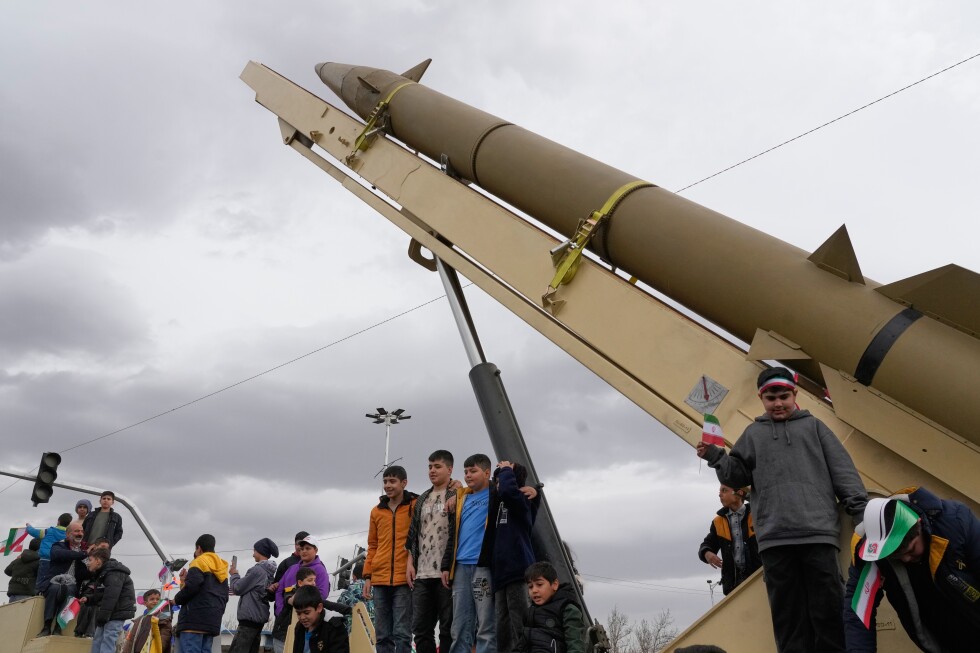
Iran War: US Military Readiness Strained by Depleted Stocks Amid Rising Tensions
The specter of conflict with Iran looms large, dominating headlines and diplomatic discussions. As the United States navigates a complex geopolitical landscape, the readiness of its military assets to engage in a potential war with the Islamic Republic is under intense scrutiny. While some voices, notably former President Donald Trump, have suggested that such a conflict would be "easily won," the stark reality painted by senior Pentagon officials and military strategists presents a far more challenging picture. The significant drain on US ammunition stockpiles, primarily due to ongoing military support for allies like Ukraine and Israel, has raised serious concerns about the nation's capacity for sustained engagement, highlighting the profound **risque guerre iran** presents to US strategic planning.
The Illusion of an Easy Victory: Deeper Military Readiness Concerns
The narrative of a swift and decisive victory, often projected by political figures, often overlooks the intricate logistical and material demands of modern warfare. Behind the rhetoric, the US military leadership faces a critical challenge: dwindling reserves. The extensive military aid provided by Washington to both Ukraine in its defense against Russia and Israel in its operations has significantly depleted American inventories of essential munitions, missiles, and interceptors.
This depletion is not merely an inconvenience; it represents a tangible strain on the nation's military readiness. Officials speaking to major news outlets like the Wall Street Journal have voiced grave concerns that an open conflict with Iran would further exhaust these critical reserves. Such a scenario would not only hamper current operational capabilities but could severely compromise the US's ability to prepare for, or respond to, a future large-scale conflict, particularly one involving a peer competitor like China. The Pentagon's urgent request for an additional $30 billion from Congress to replenish missile and interceptor stocks underscores the severity of this issue, a request that was only partially met in the latest budget. This funding gap means that the US military is effectively operating with a significant deficit in its warfighting reserves, making any potential **risque guerre iran** even more perilous.
The challenges are multifaceted:
- Depleted Munitions: Long-range missiles, precision-guided munitions, and air defense interceptors have been consumed at an unprecedented rate in recent conflicts.
- Supply Chain Strain: The defense industrial base, while robust, cannot instantly ramp up production to meet sudden, massive demand without significant lead times and investment.
- Financial Burden: Replenishing these stocks involves billions of dollars, diverting resources that could otherwise be allocated to modernization or other strategic priorities.
- Strategic Vulnerability: Operating with lower stock levels potentially reduces deterrence against other adversaries, as the US might be perceived as having less capacity for sustained intervention.
Geopolitical Hurdles: Regional Allies and Launching an Offensive
Beyond the material constraints, the operational complexities of a military intervention in Iran are formidable. While the United States maintains a significant military presence in the Middle East, with bases in countries such as Qatar, Saudi Arabia, and the United Arab Emirates, the willingness of these host nations to serve as launchpads for an offensive against Tehran is highly questionable.
Regional allies are acutely aware of the potential for devastating retaliation from Iran. Launching strikes from their soil would immediately implicate them in the conflict, exposing their infrastructure and populations to Iranian ballistic missile attacks, drone strikes, and proxy-led asymmetric warfare. Consequently, these nations have historically been reluctant to permit offensive operations against Iran from their territories, fearing both direct military reprisals and broader regional destabilization. This reluctance effectively complicates US force projection, potentially requiring the US to operate from more distant locations or relying solely on naval assets, which can increase operational costs and response times. The political dimension adds another layer to the already complex **risque guerre iran**, forcing US strategists to consider not just military might, but also the diplomatic tightrope walk required to maintain regional alliances while contemplating offensive action.
For a deeper understanding of these allied concerns, consider reading about
Middle East Allies' Fear: US Offensive Against Iran Blocked.
Iran's Retaliatory Capacity and US Defensive Posture
Despite a perceived military imbalance, Iran possesses significant capabilities to retaliate against US interests and allies in the Middle East. Its arsenal includes a substantial number of ballistic and cruise missiles, a formidable drone program, and a network of well-armed proxy groups across the region. Any direct attack on Iranian soil would almost certainly trigger a response designed to inflict damage and demonstrate Tehran's resolve.
Recognizing this threat, the United States has proactively deployed an extensive array of missile defense systems across the Middle East. This strategic deployment includes the Terminal High Altitude Area Defense (THAAD) system, capable of intercepting ballistic missiles at high altitudes, and PAC-3 missiles integrated into Patriot air defense batteries, designed for lower-altitude interceptions. These land-based systems are augmented by interceptors aboard the two US aircraft carriers typically present in the region, creating a multi-layered defensive shield.
As noted by defense analysts, this constitutes a "giant bubble" of protection over US military assets and, by extension, some allied territories. This extensive defensive infrastructure was a prerequisite for even contemplating offensive action, as regional partners previously expressed significant apprehension about a US strike without adequate protection against expected Iranian retaliation. The establishment of this robust defense aims to mitigate the immediate consequences of an Iranian counterattack, but it does not eliminate the broader **risque guerre iran** in terms of regional instability, economic disruption, and potential escalation.
To learn more about these defensive measures, refer to
Iran's Retaliation Threat: US Deploys Extensive Missile Defenses.
Strategic Implications and the Broader Global Stage
The current strain on US military readiness due to depleted stocks carries significant strategic implications beyond the immediate context of Iran. The US grand strategy, particularly its "pivot to Asia," relies on maintaining sufficient resources and readiness to deter potential aggression from rising powers like China. A protracted or resource-intensive conflict in the Middle East would inevitably divert critical assets, attention, and financial resources away from these broader strategic priorities.
Moreover, the ongoing consumption of munitions highlights a fundamental challenge for modern militaries: the industrial capacity to produce advanced weaponry at the pace demanded by intense, sustained conflict. The US defense industrial base, while world-leading, is not configured for rapid, wartime-level mass production in all categories. This reality necessitates a careful re-evaluation of defense spending, procurement strategies, and potentially, international burden-sharing agreements.
The intricate web of military readiness, geopolitical constraints, and strategic priorities means that any decision regarding Iran is fraught with complex calculations. It is not merely a question of overwhelming military might, but of sustainable power projection, alliance management, and the careful weighing of short-term gains against long-term strategic costs.
Conclusion
The potential for conflict with Iran represents a multifaceted challenge for the United States, far more intricate than often portrayed. The depletion of critical military stocks, a direct consequence of ongoing support to allies, raises serious questions about the US's capacity for sustained engagement without compromising its broader global strategic posture. Furthermore, the reluctance of regional allies to host offensive operations and the undeniable retaliatory capabilities of Tehran add layers of geopolitical complexity. While the US has established robust defensive measures, these cannot fully negate the profound **risque guerre iran** presents. Ultimately, navigating this volatile situation demands a nuanced approach that balances military deterrence with diplomatic engagement, recognizing that the true cost of war extends far beyond immediate battlefield outcomes.